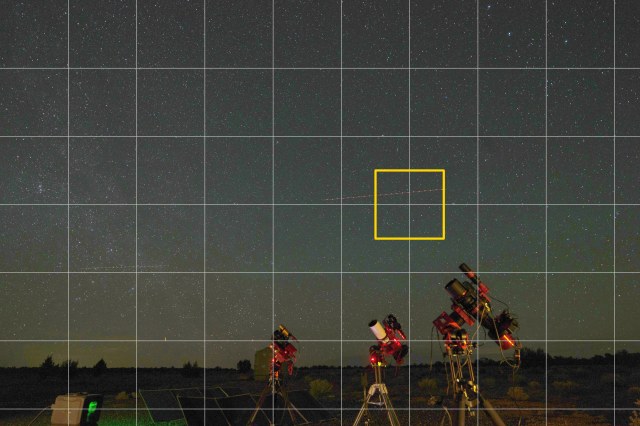
Finding the trails: detecting streaks one photo at a time
A trail is only a few pixels wide, so shrinking a full-size photo down to fit a neural network erases it before the search even begins. We cut every photo into full-resolution tiles and detect on those instead. This covers how the tiles go back together, why the outline handed to the repair is a rectangle turned to the trail's angle, why an airliner's red navigation lights need a rule of their own, and where the detector still gets it wrong.
Read the write-up →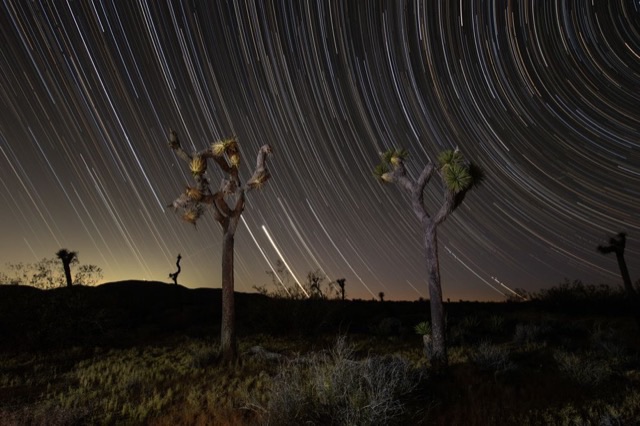
Star Bridge: repairing trails by borrowing the sky next door
How we rebuild the sky under a removed trail by shifting in the neighboring frame so the stars line up exactly, then color-correcting every borrowed pixel to the local sky. The road there ran through a few dead ends: optical flow that drifted, a warm-pixel scrub that quietly deleted real stars, and a ring-leveling step that turned out to be the real cause of the black holes.
Read the write-up →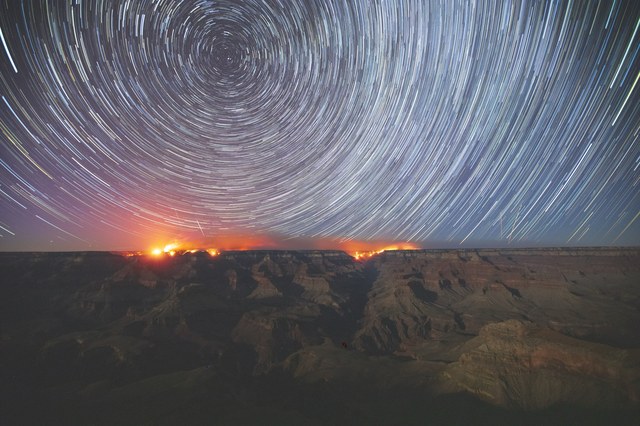
The bugs that looked like blindness
For months a trail would sit untouched in the same part of the sky, as if the detector had a blind spot. It did not. It had found the trail every time, and we were losing it afterward, while stitching the tiles back together. This note walks through the real seam bugs behind that: pieces never rejoined across a tile edge, an overlap cleanup that deleted the longer half of a trail, and the five-gate extension that finally bridged the stubborn gaps.
Read the write-up →